Mapping Dynamic Interactions Across SoftSwiss Progressive Slot Frameworks
Parker Klein · Aug 22, 2026
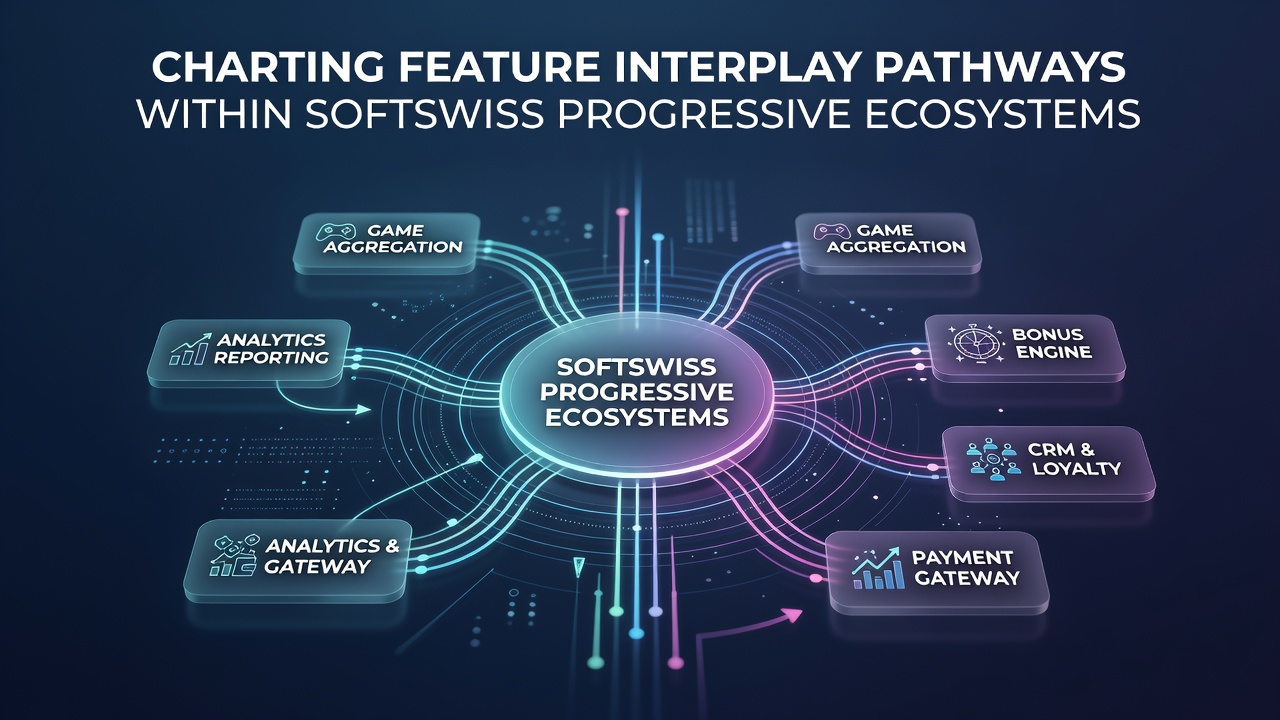
Mapping Dynamic Interactions Across SoftSwiss Progressive Slot Frameworks
SoftSwiss progressive ecosystems combine multiple game mechanics that interact through defined pathways, and observers note these connections determine how jackpots build and trigger across linked titles. Researchers have mapped these routes by examining trigger conditions, multiplier applications, and cascade sequences that feed into shared prize pools.
Core Components of Progressive Architectures
Progressive systems from SoftSwiss link individual slot titles to central jackpot meters, and data shows contributions occur through base game wagers plus specific feature activations. Multipliers applied during bonus rounds often accelerate meter growth when those rounds connect to the progressive layer. Observers note that certain wild symbols carry additional values that transfer directly into the shared pool, creating direct pathways between on-screen events and jackpot accumulation.
Feature interplay begins when a base spin activates a cascade sequence, and each subsequent drop can apply a multiplier that scales the contribution amount. Those who've analyzed demo versions report that free spin bonuses frequently include progressive qualifiers where every spin adds a fixed percentage to the meter while also offering standalone prizes. The pathways diverge here because some multipliers stack additively while others multiply the entire contribution in a single step.
Tracing Trigger Sequences and Bonus Layering
Pathway charting reveals that scatter symbols serve as primary entry points to bonus states, and the number of scatters determines both the initial free spin count and the probability of accessing a progressive sub-feature. Data from multiple titles indicates that three scatters launch a standard bonus while four or more activate an enhanced version where jackpot contributions receive an immediate uplift. Experts have observed that retrigger mechanics extend these sequences, and each extension carries its own contribution rate that compounds across the session.
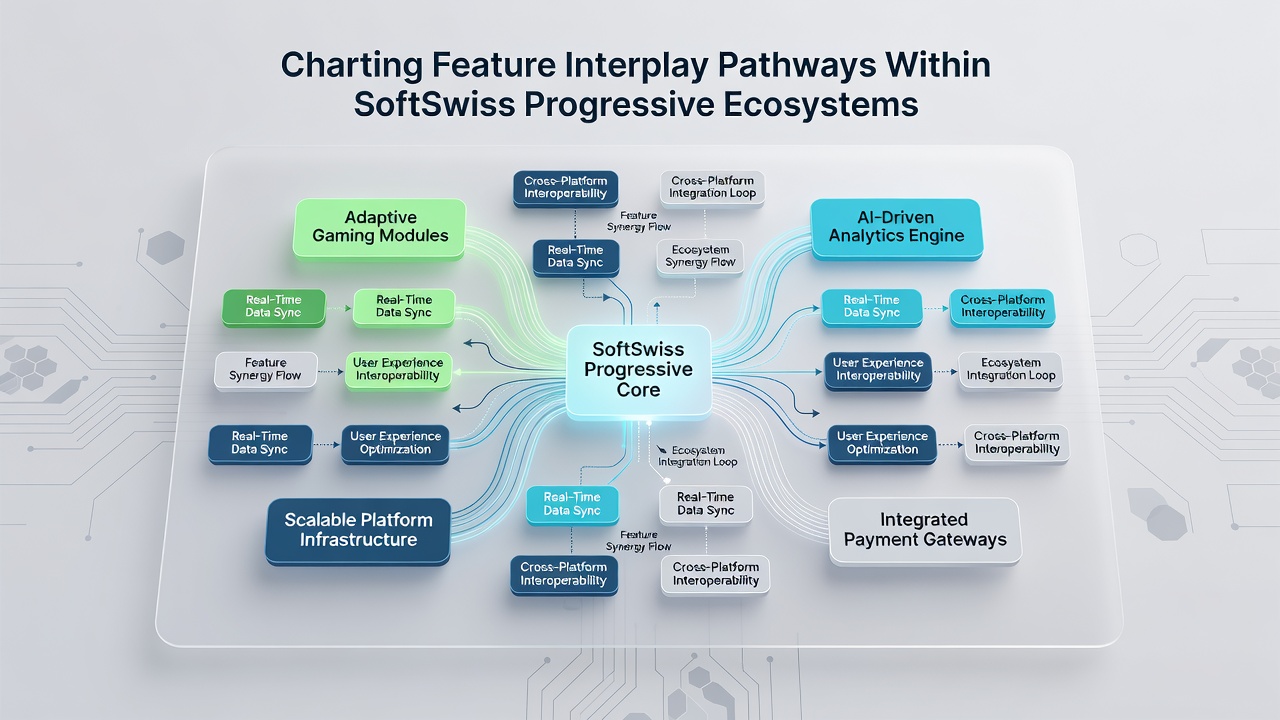
Multiplier layers operate on separate tracks yet converge at the progressive interface. One track applies during cascades in the base game, while another activates exclusively inside free spins. When both tracks meet during a single bonus round, the combined effect scales the jackpot contribution beyond standard rates. Studies of similar systems have shown that this convergence creates non-linear growth patterns where small increases in spin frequency produce outsized meter movements.
August 2026 System Updates and Observed Effects
Platform adjustments rolled out in August 2026 modified how certain cascade features interact with progressive meters across SoftSwiss titles. The changes adjusted contribution percentages during specific bonus states, and subsequent tracking data revealed shifts in average jackpot growth rates. Industry reports from the European Gaming and Betting Association note that these updates standardized certain pathway behaviors while leaving regional variations intact for operators in different markets.
Analysts tracking these ecosystems after the August 2026 updates found that retrigger frequency became a stronger predictor of final jackpot size than total spin count alone. This finding emerged because retriggers often carry higher contribution multipliers than initial bonus entries. Those monitoring the data across multiple sites reported consistent patterns where titles with flexible retrigger rules showed faster meter acceleration compared with more rigid structures.
Analytical Approaches to Pathway Documentation
Mapping tools developed for these ecosystems record every feature activation and its downstream effect on progressive meters. The resulting diagrams display branching paths where one bonus outcome leads to multiple possible contribution levels depending on subsequent random outcomes. Academic researchers at institutions studying digital gaming mechanics have applied network analysis techniques to these diagrams, and their models identify critical nodes where small changes produce large effects on overall system behavior.
Pathway documentation also incorporates player session data that shows how different feature combinations influence jackpot hit frequency. Records indicate that sessions featuring multiple layered bonuses tend to coincide with higher contribution volumes even when individual win amounts remain modest. This correlation appears because the layered bonuses activate the contribution rules more often per spin than simpler sequences.
Conclusion
Feature interplay pathways within SoftSwiss progressive ecosystems follow identifiable routes that connect base game events to shared jackpot growth. Documentation of these routes shows how multipliers, cascades, and bonus entries combine to determine both individual outcomes and collective prize accumulation. Continued observation of system behavior following the August 2026 adjustments provides additional data points for refining these pathway models across different operator environments.